
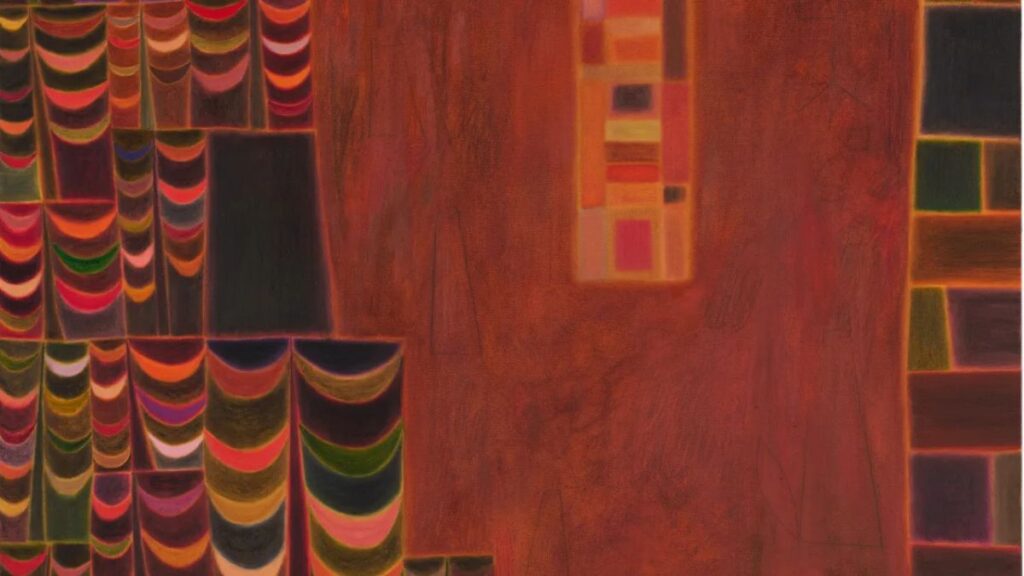
Introduction to Sérya
Art has always been a powerful medium for expression. It tells stories, evokes emotions, and connects us to different cultures and experiences. At the heart of many artistic movements lies a captivating concept known as sérya. This intriguing idea shapes how artists create and share their visions with the world.
But what exactly is sérya? Its roots run deep in art history, influencing everything from paintings on canvas to melodies in music. As we dive into this enchanting topic, you’ll discover how sérya not only enriches artistic expression but also transforms the way we perceive art itself. Join me on this journey as we explore its origins, significance across various forms of creativity, and its lasting impact on both creators and viewers alike.
The Origins and Meaning of Sérya in Art
Sérya, a concept deeply rooted in artistic expression, traces its origins back to ancient cultures. It embodies the essence of beauty and harmony found within nature and human experience.
The term itself is thought to derive from early philosophical ideas surrounding aesthetics. Artists sought to capture not just images but feelings that resonate with viewers on a deeper level.
Historically, Sérya has been an elusive goal for creators across various mediums. It transcends mere visual allure; it encompasses emotional depth and narrative significance.
In many ways, Sérya represents the intersection of technique and emotion. To achieve this ideal involves understanding color theory, composition, and rhythm—elements that together evoke profound reactions.
As artists explored this concept over centuries, they transformed their work into vessels of communication. The meaning behind Sérya continues to evolve as new generations reinterpret its implications in contemporary art forms.
The Role of Sérya in Different Art Forms (Painting, Sculpture, Music)
Sérya plays a crucial role across various artistic mediums, each interpreting the concept in unique ways. In painting, artists often embody sérya through color palettes and brush strokes that evoke specific sensations or memories. The interplay of light and shadow can create an emotional depth that draws viewers into the artwork.
In sculpture, sérya manifests in form and texture. Artists manipulate materials to convey movement or stillness, inviting observers to engage with the piece physically and emotionally. The tactile experience transforms how one perceives space.
Music embraces sérya through melody and rhythm. Composers use dynamics to express feelings ranging from joy to melancholy. Each note resonates with listeners, evoking personal reflections tied to their own experiences.
Across these forms, sérya becomes a bridge between creator and audience, enriching the artistic narrative while sparking dialogue about shared human emotions.
Examples of Sérya in Famous Works of Art
One of the most striking examples of sérya can be found in Edvard Munch’s “The Scream.” The swirling colors and distorted forms evoke deep emotional turmoil. Viewers can feel the anxiety that permeates the scene, showcasing how powerful this concept can be.
Another noteworthy instance is Pablo Picasso’s “Guernica.” This monumental piece captures the chaos of war through fragmented figures and stark contrasts. Each element speaks volumes about pain, loss, and suffering—key components of sérya.
In music, consider Igor Stravinsky’s “The Rite of Spring.” Its dissonant harmonies create an unsettling atmosphere reflecting primal instincts and raw emotions. Listeners are transported to a visceral experience that embodies sérya beautifully.
These renowned works demonstrate how diverse artistic expressions utilize sérya to connect with audiences on profound levels.
How Artists Use Sérya to Convey Emotions and Tell Stories
Artists harness the concept of sérya to weave intricate emotional narratives within their works. By utilizing colors, shapes, and textures that resonate on a deeper level, they connect with viewers’ feelings.
Through brushstrokes or sculptural forms, artists evoke joy, sorrow, or nostalgia. This nuanced approach allows for storytelling that transcends language barriers. A single painting can speak volumes about love lost or triumph achieved.
Music also embraces sérya; melodies intertwine with lyrics to create powerful emotions. The cadence of a song can take listeners through an entire journey—one note at a time.
In literature and dance too, the essence of sérya thrives. Writers craft prose infused with imagery that resonates deeply while dancers express profound stories through movement alone. Each art form celebrates this rich tapestry of human experience shaped by emotion and narrative depth.