
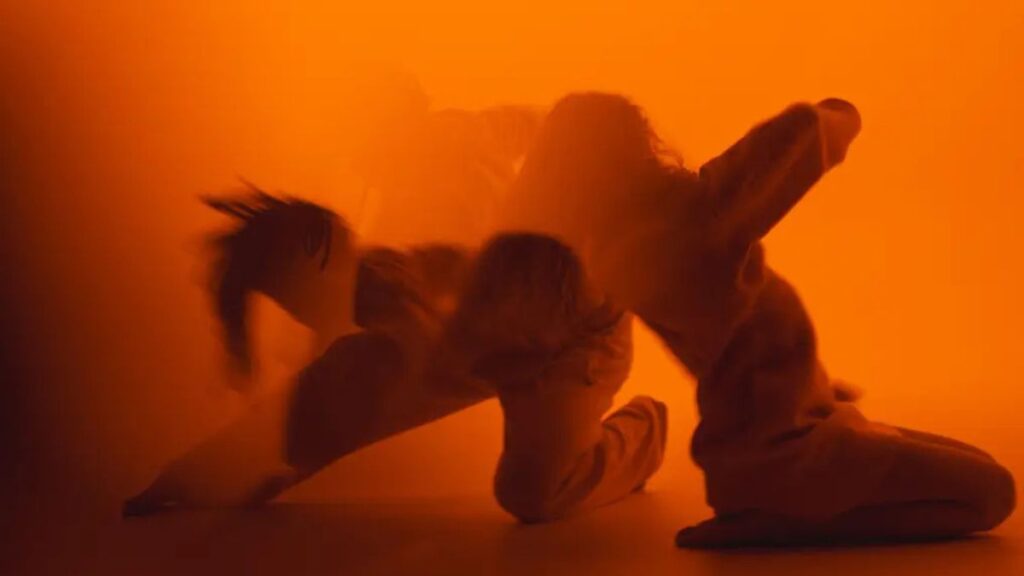
Introduction to Pulsamento and Its Origins
Pulsamento is more than just a concept; it’s a vibrant expression of life that intertwines art and movement. Rooted in the idea of rhythm, pulsamento invites us to explore how our bodies can communicate emotions and stories through dynamic motion. This journey offers an opportunity to discover not only ourselves but also the world around us. Whether you’re an artist seeking inspiration or someone looking for new ways to connect with your body, pulsamento opens up endless possibilities. Join us as we delve into its origins, significance, and transformative power across cultures!
The Connection Between Art and Movement
Art and movement share an intrinsic bond that transcends boundaries. Both elements express emotion, tell stories, and evoke responses.
When we watch a dancer perform, we see art come alive. Every gesture reflects the artist’s inner world. The rhythm of their movements tells us more than words ever could.
In visual arts, brush strokes mimic the fluidity of motion. A painting can capture fleeting moments—a dance frozen in time. It invites viewers to feel the energy pulsating from its canvas.
Movement also inspires artists across disciplines. Sculptors often consider how forms interact with space, while writers might explore characters’ physical journeys as metaphors for internal transformations.
Both art and movement speak to our shared human experience. They invite us to connect deeper with ourselves and others through expression and creativity.
How Pulsamento is Used in Different Art Forms
Pulsamento manifests uniquely across various art forms, enhancing their emotional depth and resonance. In dance, it translates to rhythmic movements that embody life’s heartbeat, creating a visceral connection between performer and audience.
Visual artists harness pulsamento through brush strokes or color palettes that evoke movement and energy. Each stroke can pulse with intention, drawing viewers into a dynamic experience.
In music, pulsamento is integral to composition. The ebb and flow of melodies mimic the rhythm of life itself. Musicians often use variations in tempo to create tension and release.
Even literature captures this essence through rhythmic prose or poetic meter. Words can pulse like a heartbeat on the page, captivating readers as they navigate emotions threaded throughout the narrative.
Across all these mediums, pulsamento serves as an invisible thread linking creators’ intentions with audiences’ experiences—infusing art with vitality and meaning.
Benefits of Incorporating Pulsamento into Daily Life
Incorporating pulsamento into daily life can spark a profound transformation. This rhythmic practice fosters a deeper connection to the body and mind, enhancing self-awareness.
Engaging with pulsamento encourages emotional release. Movement becomes a vessel for expression, helping to alleviate stress and anxiety. It invites individuals to embrace their feelings instead of suppressing them.
Moreover, embracing these rhythms boosts creativity. The fluidity of pulsamento opens pathways in the brain that inspire innovative thinking. Artists often find new perspectives when they allow movement to guide their creative process.
Physical health also benefits from regular practice. Pulsamento promotes better coordination and balance while encouraging fitness through joyful movement rather than structured workouts.
Integrating this art form fosters community connections. Sharing experiences with others creates bonds that enrich our social lives, making every pulse shared more meaningful within communal settings.
Common Misconceptions About Pulsamento
Many people think pulsamento is just about physical movement. However, it’s much deeper than that. It involves a fusion of emotional expression and artistic creation.
Another misconception is that pulsamento can only be found in dance or performance arts. In reality, it transcends boundaries; you’ll find it in music, visual art, and even daily activities.
Some believe you need to be an expert to practice pulsamento effectively. The truth is anyone can engage with this concept at any skill level. It’s about being present and feeling the rhythm within.
Many assume pulsamento requires formal training. While guidance can enhance understanding, personal exploration plays a vital role in developing one’s unique connection to this expressive form.
Tips for Beginners: How to Start Practicing Pulsamento
Starting your journey with pulsamento can be both exciting and rewarding. Begin by finding a quiet space where you can comfortably move without distractions.
Focus on your breath first. Inhale deeply, allowing your body to relax. As you exhale, feel the natural rhythm within you start to emerge.
Next, explore different movements that resonate with how you’re feeling in the moment. It could be gentle swaying or more energetic gestures—just let your body lead.
Consider incorporating music that inspires you. Let the beats guide your movements and enhance the experience of pulsamento.
Don’t forget to reflect afterward. Journaling about what you’ve felt during practice can deepen your understanding of this art form over time.
Connect with others who share an interest in pulsamento for encouragement and inspiration as you grow in this expressive style.
Examples of Pulsamento in Various Cultures and Traditions
Pulsamento can be found across a multitude of cultures, resonating through their unique artistic expressions. In Brazilian capoeira, the rhythmic movements embody pulsamento as practitioners blend martial arts with dance and music. Each kick and spin reflects a vibrant pulse that connects participants to each other and their roots.
In Indian classical dance forms like Bharatanatyam, pulsamento is evident in intricate footwork synchronized to live percussion. Dancers express emotions and stories through dynamic movements that echo the heartbeat of tradition.
Japanese Noh theater also incorporates this concept through slow, deliberate gestures paired with hauntingly beautiful chants. The subtle pulsations in these performances create an atmosphere steeped in history.
Exploring African drumming traditions reveals another layer. Here, musicians engage in call-and-response patterns that mirror life’s rhythms, drawing communities together in celebration or mourning. Each beat serves as a reminder of shared experiences threaded into cultural narratives.
Conclusion: Embracing the Rhythm of Life Through Puls
Embracing the rhythm of life through pulsamento opens up a world rich in creativity and expression. This dynamic concept invites us to experience art not just as something we observe, but as something that flows within us. By integrating movement into our daily lives, we tap into a deeper understanding of ourselves and our surroundings.
Pulsamento is more than an artistic technique—it’s a way to connect with the heartbeat of existence. As you explore its many facets, you may find that it fosters mindfulness, enhances emotional well-being, and sparks inspiration in unexpected ways. Whether through dance, visual arts or simple everyday gestures, embracing pulsamento can transform ordinary moments into extraordinary experiences.
So why not take a step toward this rhythmic journey? Engage with your body and allow art to move through you. Let every pulse be felt fully—the possibilities are endless when you embrace the essence of pulsamento in all its forms.