
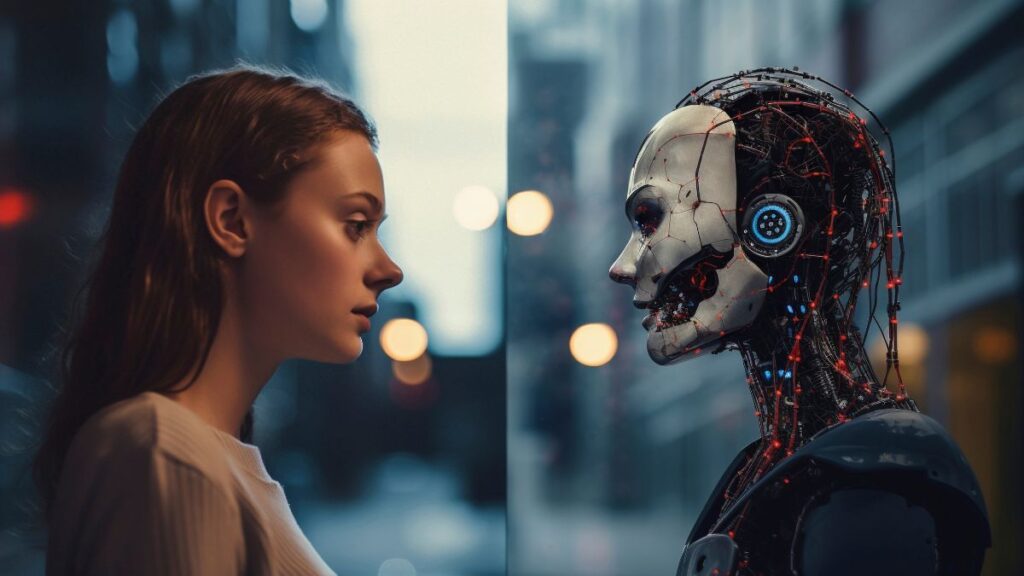
In recent years, artificial intelligence has revolutionized how we create, edit, and interact with visual content. Among the most popular innovations are tools that make previously complex editing tasks accessible to anyone — from professionals to casual users. At the heart of this transformation is the face swap technology, a technique that allows users to seamlessly replace one person’s face with another in photos and videos. Alongside face swapping, cutting-edge applications such as the AI kissing generator are pushing the boundaries of creative content, offering novel ways to generate realistic and emotive visual scenes with minimal effort.
This surge in AI-driven media tools has profound implications for entertainment, marketing, social media, and even personal expression. While the capabilities are exciting, they also raise ethical questions about authenticity, consent, and the potential for misuse. In this article, we’ll explore both the opportunities and challenges presented by these innovations, focusing specifically on how technologies like face swap and AI kissing generators are shaping the future of digital content.
What Is Face Swap and Why It Matters
Face swap technology leverages deep learning, computer vision, and generative models to analyze and reconstruct facial features. It enables users to replace the face in a photo or video with another person’s face while maintaining realistic expressions, lighting, and movement. Originally popularized through memes and viral social media trends, face swap has since evolved into a powerful tool used in professional media production, user-generated content, and even virtual reality applications.
What sets modern face swap technology apart is its accessibility. In the past, creating convincing face swaps required advanced editing skills and specialized software. Today, AI-powered platforms make it possible for anyone to generate high-quality results in minutes without technical expertise. This democratization has fueled a surge in creative experimentation, empowering individuals to reimagine themselves in different contexts — from classic movie scenes to historical moments.
The implications extend beyond entertainment. Marketers are using face swaps to personalize campaigns, while educators explore immersive storytelling techniques. By preserving natural expressions and movements, the latest AI models help bridge the gap between imagination and realism.
The Rise of AI Kissing Generator Tools
While face swap tools focus on manipulating or replacing facial identities, the AI kissing generator represents a new frontier: generating entirely new scenes. As AI begins to model not just faces but interactions, tools have emerged that can create realistic videos of people kissing — even if those individuals never physically interacted.
AI kissing generator applications use generative adversarial networks (GANs) and motion modeling to synthesize scenes that look remarkably natural. These tools analyze large datasets of human movement and facial expressions, allowing them to produce animations that capture both emotional nuance and physical realism. Users can upload images or choose from pre-existing templates to generate their desired result.
The appeal is evident: content creators can produce romantic visual sequences without staging a photoshoot, actors can see how scenes might look before filming, and hobbyists can experiment with novel forms of expression. This technology also serves as a testament to how sophisticated AI has become in synthesizing emotional cues and human interaction.
However, like face swap technology, AI kissing generators raise important ethical considerations. Consent, privacy, and the potential for misuse — especially when creating intimate content involving real people without their permission — are critical concerns that must be addressed as the technology continues to proliferate.
Real-World Use Cases and Creative Potential
AI-powered visual tools are no longer confined to experimental labs. Their real-world applications span multiple industries:
1. Entertainment and Filmmaking
In film and television, AI tools can streamline pre-visualization and post-production. Face swaps help directors test casting options, while AI kissing generators allow choreographers and cinematographers to visualize scenes before shooting. These technologies reduce time and cost, enabling more agile creative workflows.
2. Marketing and Personalization
Brands increasingly leverage AI to create personalized ads. Imagine a campaign where customers see themselves immersed in a product experience — whether it’s trying on products virtually or starring in a campaign scene. Face swaps make this possible at scale, while AI interaction generators open doors to creative storytelling tailored to individual users.
3. Social Media and Personal Expression
Platforms like TikTok, Instagram, and YouTube are hotspots for AI-generated content. Face swap effects remain among the most popular filters, delighting users with humorous or surprising results. The AI kissing generator trend, while more niche, showcases how people are experimenting with AI to express emotions and narratives uniquely.
4. Education and Training
Educators can use AI visual tools to create engaging lessons. For instance, historical figures can be brought to life, or complex human interactions can be visualized for psychology students. These tools provide dynamic, interactive learning experiences that were previously difficult to produce.
Ethical Considerations and Responsible Use
As AI tools become mainstream, ethical challenges must be at the forefront of discussions around their adoption. Technologies like face swaps and AI kissing generators can easily be misused — especially in ways that infringe on privacy or manipulate public perception.
Consent and Respect
The digital creation of intimate scenes involving real-world individuals requires careful consideration of consent. Generating such content without permission crosses ethical boundaries and may violate legal standards in many jurisdictions. Responsible platforms are implementing safeguards that require user authorization before leveraging personal images.
Digital Authenticity
The ability to generate realistic scenes also complicates how we interpret media. In an era where visual content is often taken as truth, distinguishing AI-generated visuals from reality becomes increasingly challenging. This has implications for misinformation, public trust, and media literacy.
Platform Accountability
Developers and platforms offering AI tools have a responsibility to embed ethical guardrails. This includes transparent user agreements, content moderation, and mechanisms to report misuse. Public awareness campaigns can also help users understand both the capabilities and limitations of these technologies.
Balancing Innovation With Integrity
AI-driven tools like face swap and AI kissing generators demonstrate the immense creative potential of machine learning. They empower users to visualize ideas, enhance storytelling, and explore new forms of digital expression. Yet with great power comes the necessity for responsible use.
For individuals, this means respecting privacy, seeking consent, and approaching AI tools thoughtfully. For creators and developers, it means building safeguards, fostering transparency, and engaging in open dialogues about ethical standards. By balancing innovation with integrity, we can harness the benefits of AI while minimizing harm.
Looking Ahead: What’s Next for AI Visual Tools?
The current generation of AI visual tools is just the beginning. As machine learning models become more advanced, we can expect even greater realism, interactivity, and creative control. Future developments may include:
- Emotion-driven animation, where scenes adapt based on narrative context.
- Real-time face swap integration for live video and virtual events.
- Collaborative creative platforms, where users co-create AI-enhanced stories.
- Enhanced privacy protections, including on-device processing and encrypted workflows.
As this evolution unfolds, user education will be key. Understanding how these tools work, their limitations, and their ethical implications will empower creators to use them responsibly.
Conclusion
AI technologies such as face swap and the AI kissing generator are reshaping how we create, edit, and experience visual content. They open remarkable creative possibilities across entertainment, marketing, education, and personal expression. But they also come with important ethical questions that society must address thoughtfully.
By embracing the innovation these tools offer, while prioritizing transparency, consent, and accountability, we can ensure that AI enhances creativity without compromising digital integrity.