
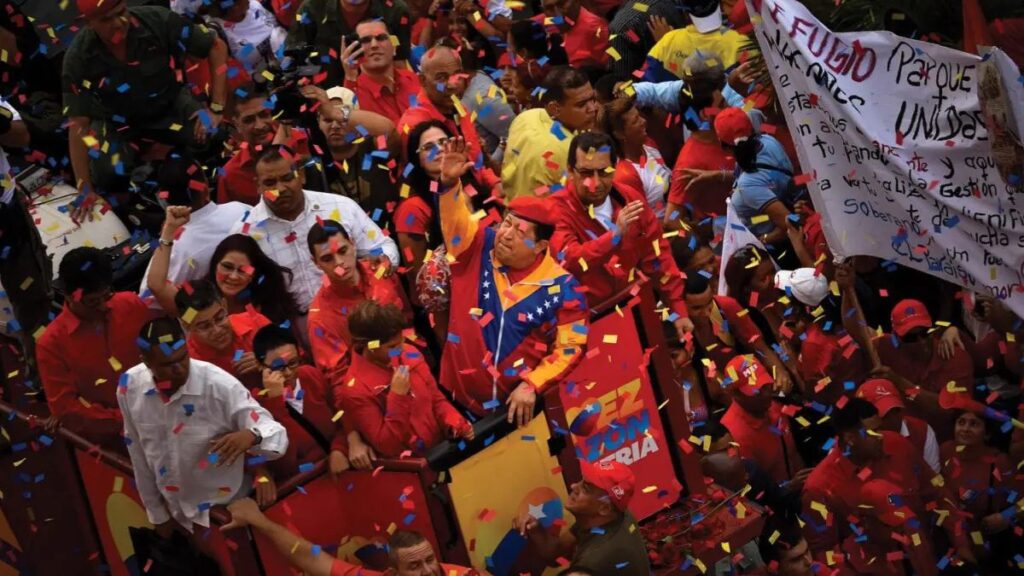
Introduction to Decreto Supremo 160
Decreto Supremo 160 has been making waves across Bolivia since its announcement. As citizens grapple with the implications of this decree, many are left wondering what it means for their daily lives and the broader socio-economic landscape. This legislation represents a significant shift in policy, aimed at addressing pressing national issues. Whether you’re a concerned citizen or a business owner, understanding Decreto Supremo 160 is crucial as we navigate these changes together. Let’s dive into what this decree entails and how it could shape our future moving forward.
What is Included in the Decree?
Decreto Supremo 160 introduces several key provisions aimed at enhancing governance in Bolivia. It encompasses regulations that affect various sectors, including health, education, and infrastructure.
One significant aspect is the emphasis on environmental sustainability. The decree outlines measures to protect natural resources while promoting responsible development practices. This shift reflects a growing awareness of ecological issues within policy-making.
Additionally, the decree enhances transparency in governmental processes. Citizens can expect more accessible information regarding public spending and project implementations.
Moreover, it addresses social equity through initiatives designed to support vulnerable populations. These programs aim to improve access to essential services such as healthcare and education for all citizens.
The decree includes mechanisms for citizen participation in decision-making processes. This feature aims to empower individuals and communities by giving them a voice in matters that directly affect their lives.
Key Changes and Implications for Citizens
Decreto Supremo 160 introduces several significant changes that will directly affect citizens. One of the most notable aspects is the adjustment in public service regulations. This shift aims to streamline processes, making access to essential services more efficient.
Furthermore, new tax measures embedded in the decree impact individual financial responsibilities. Citizens may find themselves navigating altered tax brackets and obligations as a result of these updates.
The decree also addresses social welfare initiatives, enhancing support for vulnerable populations. This focus on inclusivity reflects an effort to uplift marginalized communities and provide them with necessary resources.
Moreover, environmental considerations are integral to these changes. Citizens can expect stronger regulations aimed at protecting natural resources while promoting sustainable practices within their localities.
These alterations signify a transformative period for Bolivians as they adapt to a changing legal landscape, shaping both daily life and long-term prospects.
Impact on Businesses and Economy
Decreto Supremo 160 introduces significant shifts for businesses across Bolivia. The decree aims to streamline regulations, which could foster a more favorable environment for entrepreneurs.
With the reduction of bureaucratic hurdles, small and medium-sized enterprises may find it easier to navigate legal requirements. This can potentially encourage new startups to emerge in various sectors.
However, larger corporations might face adjustments as they adapt their operations to align with the new guidelines. Compliance costs could change, impacting profit margins in the short term.
The economic landscape will also experience fluctuations as consumer behavior responds to these changes. With increased competition and innovation on the horizon, Bolivian markets are poised for evolution.
Investors should monitor these developments closely since they influence capital flow and investment opportunities within diverse industries. All eyes are now on how businesses react strategically over time amidst this regulatory shift.
How to Stay Updated on the Implementation of Decreto Supremo 160
Staying informed about Decreto Supremo 160 is essential for all citizens. First, follow official government channels. The Ministry of Justice and other relevant authorities often release updates.
Social media platforms can also be valuable sources. Many officials share news and insights through their accounts, making it easy to access real-time information.
Local news outlets are another important resource. They provide in-depth analyses and commentary on the decree’s implications.
Engaging with community forums or discussion groups may help too. These spaces encourage dialogue among residents who share concerns or experiences related to the decree.
Consider subscribing to newsletters from advocacy organizations that focus on legal reforms in Bolivia. They often provide detailed reports and expert opinions that can enhance your understanding of the ongoing changes linked to Decreto Supremo 160.
Criticisms and Support for the Decree
Decreto Supremo 160 has sparked a mix of reactions among citizens and experts alike. Critics argue that the decree may overreach government power, raising concerns about personal freedoms. They fear it could lead to increased surveillance or bureaucratic hurdles.
On the other hand, supporters highlight its potential benefits for national development. They see it as a necessary step toward modernization and improved governance. Many believe that the decree can streamline processes and enhance public services.
Public forums have been abuzz with debates surrounding its implications. Some praise the government’s initiative while others express caution regarding transparency in implementation.
The divide is palpable, with activists calling for more dialogue between policymakers and communities impacted by these changes. Engaging discussions will likely shape how Decreto Supremo 160 evolves in practice.
Conclusion: The Future of Decreto Supremo 160 in Bolivia
The future of Decreto Supremo 160 in Bolivia will likely shape both the social and economic landscape for years to come. As citizens adapt to the changes outlined in this decree, understanding its implications is crucial. The government’s ability to implement these changes effectively will determine their long-term impact.
While there are challenges ahead, including potential pushback from various sectors, the overall response has been mixed. Citizens and businesses alike must stay informed about developments related to the decree as it unfolds.
Keeping an eye on how this legislation interacts with existing laws and regulations will be essential for compliance and adaptation strategies. Whether seen as a step forward or a source of concern, Decreto Supremo 160 marks a significant moment in Bolivia’s legislative journey—one that warrants attention from all corners of society.