
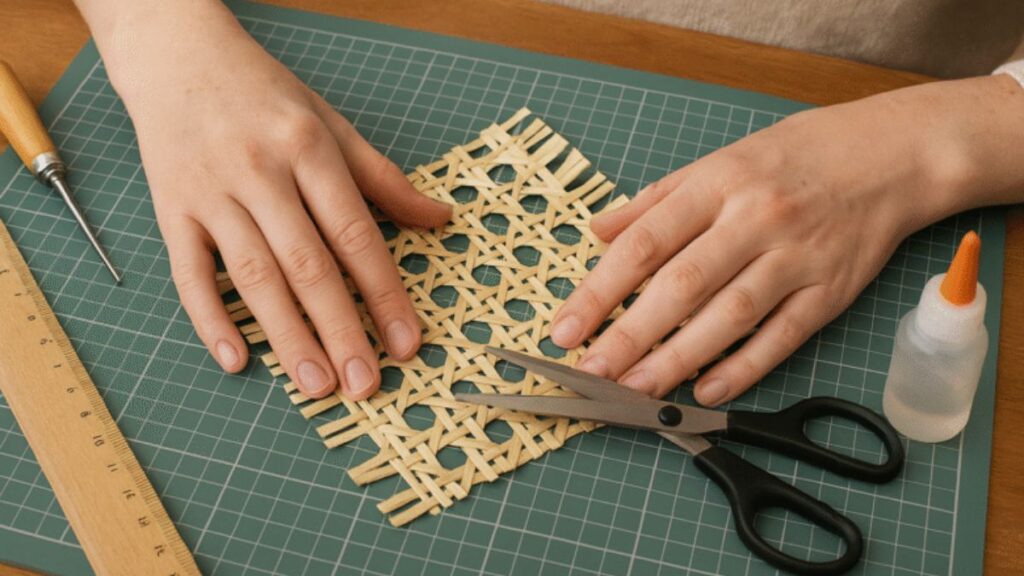
Introduction to Acamento
Acamento is more than just a skill; it’s an art form that combines precision, creativity, and tradition. Whether you’re a novice looking to explore this fascinating craft or an experienced practitioner aiming to refine your techniques, understanding the nuances of acamento can elevate your work to new heights. With its rich history and intricate methods, mastering acamento opens up a world of possibilities. Dive in as we uncover the secrets behind perfecting your techniques in this captivating discipline. Let’s embark on this journey together!
Origins and History of Acamento
Acamento has deep roots that trace back centuries. This unique art form emerged in the vibrant cultures of South America, where skilled artisans perfected intricate knotting techniques.
Originally used for functional purposes, acamento evolved into a medium of artistic expression. The early practitioners created stunning textiles and decorative pieces that showcased their rich heritage.
As time passed, acamento spread across borders. Different regions adapted the technique, infusing it with local traditions and materials. This evolution contributed to diverse styles seen today.
The connection between community and craftsmanship is evident in acamento’s history. Generations have passed down knowledge and skills through familial lines, ensuring its preservation amid modern influences.
Today, it stands not only as an art form but also as a celebration of cultural identity and creativity.
Understanding the Importance of Technique in Acamento
Technique is the backbone of acamento. Mastering it transforms your approach, allowing for more creativity and precision. The nuances in technique can make a world of difference in your results.
When you understand the mechanics behind each movement, you gain control over every aspect of the process. This means fewer errors and better outcomes. Good technique doesn’t just improve quality; it enhances efficiency as well.
Moreover, focusing on technique cultivates confidence. As you refine your skills, you’ll find yourself experimenting with new ideas without fear of failure. Each practice session deepens your understanding and sharpens your abilities.
In acamento, it’s not solely about what tools or materials you use but how effectively you wield them. A well-honed technique sets apart novices from experts, creating an undeniable impact on both artistry and execution.
Essential Tools for Acamento
To excel in acamento, having the right tools is crucial. These instruments not only enhance your craft but also ensure precision and efficiency.
First on the list are high-quality brushes. They allow for fine details and smooth finishes, making them essential for any serious practitioner.
Next, a reliable palette helps with color mixing and organization. Choose one that suits your style—whether it’s traditional or modern.
Don’t overlook the importance of a sturdy easel. It provides stability while you work and can improve posture during long sessions.
Invest in a good set of paints. The quality of materials often determines the outcome of your projects, so pick wisely to achieve vibrant results.
With these tools at hand, you’re well-equipped to dive deeper into acamento techniques.
Step-by-Step Guide to Mastering Acamento Techniques
To master acamento techniques, start by familiarizing yourself with the basic principles. Understanding the core elements will lay a strong foundation for your skills.
Begin with proper posture. Stand or sit in a way that allows maximum flexibility and control. This is vital for executing precise movements.
Next, practice grip techniques. The way you hold your tools can significantly influence your output quality. Experiment until you find what feels most comfortable and effective.
Move on to rhythm and timing. Acamento often relies on fluidity; thus, practicing at a steady pace helps develop muscle memory.
Incorporate visualization into your routine. Picture each step clearly before attempting it physically—this mental rehearsal can enhance performance.
Record yourself during practice sessions. Watching these recordings provides insights into areas needing improvement while reinforcing successful techniques through visual feedback.
Common Mistakes to Avoid in Acamento
One of the most frequent mistakes in acamento is rushing through the process. Patience is key. Allowing enough time for each step ensures better results.
Another common error is neglecting proper measurements. Precision matters immensely in acamento, and even small miscalculations can lead to significant flaws.
Failing to familiarize yourself with your tools also hinders progress. Each tool has its unique purpose, and understanding how to use them effectively can elevate your work.
Forgetting about safety precautions often leads to accidents or injuries. Always prioritize personal safety by wearing appropriate gear and working in a well-lit environment.
Don’t shy away from seeking help or advice from experienced practitioners. Learning from others’ experiences will enhance your skills significantly and help you avoid pitfalls along the way.
Taking Your Acamento Skills to the Next Level
To elevate your acamento skills, embracing continuous learning is essential. Join workshops or local classes where you can interact with experienced practitioners. Their insights can provide fresh perspectives and techniques.
Networking within the acamento community opens doors to new ideas. Attend events, share experiences, and learn from peers who might have faced similar challenges. Collaboration often leads to breakthroughs in technique.
Experimentation plays a crucial role too. Don’t hesitate to try unconventional methods or tools that could enhance your practice. Each attempt brings valuable lessons, even if it doesn’t yield immediate success.
Documenting your progress allows for reflection on what works best for you. Keep a journal of techniques tried and results achieved; this can guide future endeavors.
Consider teaching others as a way to solidify your knowledge. Explaining concepts reinforces your understanding and highlights areas needing improvement.
Conclusion and Final Thoughts
Mastering the art of acamento requires patience, practice, and dedication. As you delve deeper into its intricate techniques, remember that every expert was once a beginner. Embrace your mistakes as valuable learning opportunities; they pave the way for growth.
Explore different tools and materials to find what works best for you. Each person’s journey in acamento is unique. Participate in workshops or online communities to share experiences and gather insights from fellow enthusiasts.
As you refine your skills, keep challenging yourself with new projects. The world of acamento offers endless possibilities for creativity and expression. Stay curious, be open to experimentation, and let your passion guide you on this artistic path.
With commitment and inspiration at hand, you’ll soon find that perfecting your techniques can lead not just to skillful craftsmanship but also personal fulfillment through this beautiful art form. Enjoy every step of the journey!