Introduction to iofbodies
Body art has always been a powerful form of self-expression, and in recent years, the world of iofbodies has taken center stage. This dynamic fusion of creativity and individuality showcases how people use their bodies as canvases for artistry. From intricate tattoos to stunning body piercings, each piece tells a unique story. But what exactly drives this evolution within body art? As we explore trends, innovations, and cultural shifts surrounding iofbodies, you’ll discover not just the aesthetic appeal but also the deeper connections that fuel this vibrant movement. Let’s dive into the captivating journey of iofbodies and uncover what makes it so compelling today.
A Brief History of Body Art
Body art has a rich and diverse history that spans thousands of years. Ancient cultures across the globe have embraced body modifications as symbols of identity, spirituality, and beauty. From the tribal tattoos of indigenous peoples to the intricate piercings in various societies, every mark tells a story.
In ancient Egypt, hieroglyphs were often etched onto skin for protection in the afterlife. Meanwhile, Polynesian culture celebrated tattooing as a rite of passage. These practices conveyed social status and familial ties.
As time progressed, body art evolved alongside societal changes. The Renaissance period saw an appreciation for human form through paintings and sculptures but neglected personal adornment until later centuries when tattoos began gaining popularity among sailors and soldiers.
By the 20th century, body modification broke into mainstream culture with punk movements embracing tattoos as forms of rebellion against conformity.
The Rise of Modern iofbodies
The rise of modern iofbodies has transformed the landscape of body art. Today, individuals embrace this form of expression as a celebration of identity and creativity.
Gone are the days when tattoos were solely associated with rebellion or counterculture. Now, they signify personal stories and milestones.
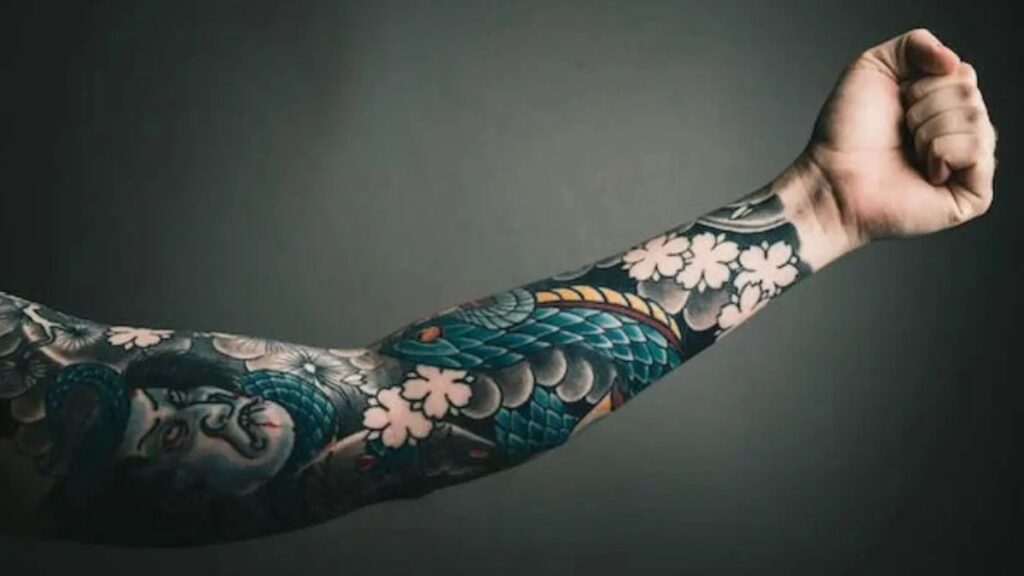
Innovative designs range from minimalist outlines to intricate masterpieces that tell vivid tales on skin. Artists experiment with color palettes and styles, influencing public perceptions and acceptance.
Moreover, collaborations between renowned artists and brands have elevated iofbodies into a mainstream phenomenon. Events such as tattoo conventions showcase talent while educating enthusiasts about techniques.
This evolution reflects societal shifts toward embracing diversity in body art choices. As more people explore their uniqueness through inked expressions, modern iofbodies continue to gain traction across various demographics.
Popular Trends in iofbodies
The world of iofbodies is constantly evolving, reflecting cultural shifts and individual expression. One standout trend is the rise of minimalist designs. Simple lines and subtle shapes have gained popularity for their elegance.
Bold colors are making waves too. Vibrant inks create striking contrasts against skin tones, allowing wearers to showcase their personality boldly.
Geometric patterns are also in vogue, combining art with precision. These modern motifs often symbolize deeper meanings tied to identity or protection.
Temporary body art has risen in demand as an alternative to permanent pieces. This allows enthusiasts to experiment without long-term commitment.
Moreover, eco-friendly inks are attracting those mindful of sustainability. As awareness grows about environmental issues, artists embrace organic materials that align with ethical values.
Each trend captures unique aspects of personal storytelling through iofbodies while encouraging creativity across diverse communities.
Innovative Techniques and Technologies in Body Art
The world of iofbodies has embraced innovative techniques that push the boundaries of traditional body art. One standout method is 3D tattooing, which creates a lifelike appearance through depth and shading. This technique adds an extraordinary dimension to designs.
Advancements in ink technology are also noteworthy. Biodegradable and vegan inks have gained popularity among eco-conscious artists and clients alike. These inks not only reduce environmental impact but also minimize allergic reactions.
Digital tools have transformed the creative process too. Artists now use tablets for sketching designs or creating virtual previews, allowing clients to visualize their ideas before committing.
Moreover, augmented reality (AR) apps enable users to “try on” tattoos digitally. This interactive experience bridges imagination with reality, making decision-making much easier for potential clients interested in iofbodies.
The Impact of Social Media on the Evolution of iofbodies
Social media has profoundly altered the landscape of iofbodies. Platforms like Instagram and TikTok serve as visual galleries, showcasing stunning body art from around the globe. Artists gain followers quickly through eye-catching designs, allowing their work to reach wider audiences than ever before.
The rise of influencers in this realm cannot be understated. They share personal stories behind their tattoos or piercings, creating connections with fans who admire their choices. This fosters a sense of community among enthusiasts and artists alike.
Furthermore, trends can spread rapidly across social networks. What was once an underground practice can become mainstream overnight due to viral posts and hashtags dedicated to body art.
This immediate accessibility encourages experimentation and pushes boundaries in creativity. In turn, it influences individual expression within the iofbodies culture, making every piece uniquely tied to personal narratives shared online.
Controversies and Challenges in the World of iofbodies
The world of iofbodies is not without its controversies. As body art gains mainstream acceptance, debates arise over cultural appropriation and the commercialization of traditional practices.
Many artists face scrutiny for borrowing elements from indigenous cultures while often failing to acknowledge their origins. This raises questions about respect and representation in an increasingly globalized society.
Additionally, health concerns surrounding certain techniques have emerged. Issues like allergic reactions to pigments or unsanitary practices can lead to severe consequences for clients seeking aesthetic enhancements.
Moreover, societal perceptions continue to shift. While some embrace body modifications as a form of self-expression, others view them through a more critical lens—judging individuals based on their choice of art.
Navigating these challenges requires sensitivity and awareness within the community. Balancing creativity with ethical responsibility remains crucial for the future landscape of iofbodies.
Future Predictions for iofbodies
The future of iofbodies is poised for fascinating transformations. As technology advances, we may witness the emergence of smart tattoos that integrate with our devices. Imagine body art that can change colors or patterns based on your mood or environment.
Sustainability will also play a crucial role in the evolution of iofbodies. Eco-friendly inks and biodegradable materials are likely to gain popularity among artists and clients alike. This shift towards greener practices could redefine how we view body art.
Furthermore, virtual reality and augmented reality could revolutionize the way people experience iofbodies. Virtual consultations and AR-enhanced designs might become commonplace, allowing individuals to visualize their chosen artwork before committing.
Societal acceptance may continue to grow, leading to more diverse expressions within body art cultures worldwide. This expanding inclusivity could inspire innovative styles that blend traditional techniques with modern influences.
Conclusion
The world of iofbodies is ever-changing, reflecting broader cultural shifts and technological advancements. What started as an ancient form of self-expression has evolved into a multifaceted art form that resonates with people across the globe. Modern trends highlight the importance of individuality, pushing boundaries in creativity and expression.
As we navigate through this evolving landscape, it’s clear that innovations will continue to reshape how body art is perceived and created. The influence of social media cannot be overstated; it serves as a platform for artists and enthusiasts alike to share their passions while fostering community engagement.
Yet, amidst growth lies controversy. Discussions about safety standards, cultural appropriation, and societal acceptance are ongoing challenges within the realm of iofbodies. These conversations will undoubtedly shape future practices in body art.
Looking ahead, one can only speculate on where iofbodies will go next. As technology advances further—think augmented reality tattoos or biodegradable inks—the potential for new forms of expression seems limitless.
The journey of iofbodies reflects not just individual stories but also collective human experiences intertwined with culture and identity. With each new trend or technique introduced into this vibrant tapestry, there’s always something exciting on the horizon for body art aficionados around the world.