Asbestlint, a term that’s often whispered in hushed tones, holds a heavy weight when it comes to health and safety. This seemingly innocuous material has a dark past linked to grave health risks that many are unaware of. If you’re working in certain industries or living in older buildings, understanding asbestlint is crucial for protecting yourself and your loved ones. Let’s dive deeper into this hidden danger, uncovering its history, the risks it poses, and the measures you can take to stay safe. Your awareness could make all the difference in safeguarding your future.
What is Asbestlint?
Asbestlint, commonly known as asbestos tape, is a fibrous material that was widely used for its insulating properties. This product often features in construction and industrial applications due to its resistance to heat and fire.
Typically composed of chrysotile or other types of asbestos fibers, asbestlint can be found in various settings, including older buildings and machinery. Its adhesive backing allows it to stick securely to pipes, ducts, and electrical wiring.
Despite its practical advantages during the height of its usage, asbestlint poses significant health risks when disturbed or damaged. When fibers become airborne through wear or degradation, they can easily be inhaled. This makes awareness about asbestlint essential for anyone involved in renovations or maintenance work on aging structures.
Understanding what asbestlint is helps clarify the importance of safety measures around this hazardous material.
History and Usage of Asbestlint
Asbestlint, commonly known as asbestos tape, has a contentious history. Initially praised for its heat resistance and insulating properties, it found widespread use in construction and manufacturing throughout the 20th century.
Builders used asbestlint for sealing joints in pipes and ducts, particularly in industrial settings. Its durability made it a go-to material for fireproofing structures.
However, the very qualities that made asbestlint appealing also led to serious health concerns. As awareness of its dangers grew, regulations began to emerge.
By the late 1970s, many countries restricted or banned its usage entirely due to rising health risks associated with exposure. Despite this decline in popularity, remnants of asbestlint remain in older buildings and equipment today.
This lingering presence poses ongoing challenges for safety inspectors and workers tasked with renovating or demolishing such structures.
Health Risks Associated with Asbestlint Exposure
Asbestlint poses significant health risks that can have lasting impacts. When disturbed, the fibers become airborne and are easily inhaled or ingested.
Exposure to asbestlint has been linked to serious respiratory diseases. Conditions like asbestosis, lung cancer, and mesothelioma arise from prolonged contact with these hazardous materials.
Symptoms often take years to manifest. This delay makes early detection difficult, which complicates treatment options significantly.
Individuals may experience persistent coughing, chest pain, or shortness of breath if exposed regularly. The risk is especially heightened in environments where asbestos products were commonly used.
The dangers extend beyond direct workers; families of those who handle asbestlint might also be at risk through secondary exposure. Even minimal contact can lead to severe health consequences down the line.
Common Industries and Occupations at Risk for Asbestlint Exposure
Asbestlint exposure is a serious concern across various industries. Workers in construction and demolition are particularly vulnerable. They often encounter materials that contain asbestos, including insulation, roofing, and flooring products.
Shipbuilding has also seen its share of risks. Many old ships utilized asbestlint for fireproofing. Laborers on these vessels might unknowingly disturb hazardous materials during maintenance or repairs.
The automotive industry isn’t exempt either. Asbestos was commonly used in brake pads and clutches until awareness of its dangers grew. Mechanics working with older vehicles may still be at risk.
In addition to these sectors, workers in manufacturing plants that handle textiles or other products containing asbestos face health threats as well.
Even those involved in the maintenance of older buildings can find themselves exposed while renovating or repairing structures where asbestlint was prevalent decades ago.
Safety Measures to Protect Against Asbestlint Exposure
When dealing with asbestlint, safety should be your top priority. Proper training is essential for anyone who might come into contact with this hazardous material. Understanding the risks helps in making informed decisions.
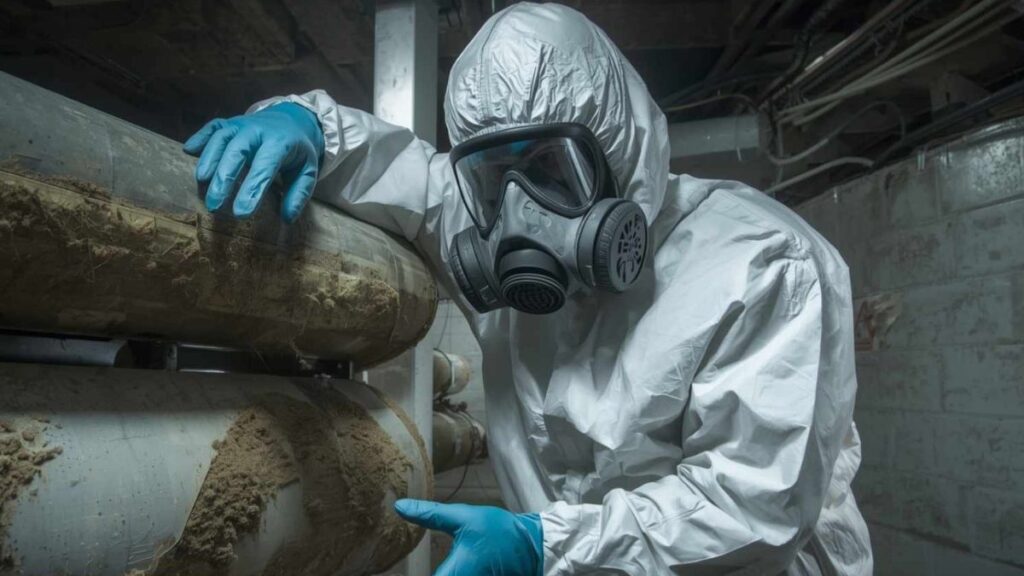
Use personal protective equipment (PPE) at all times. This includes respirators, gloves, and protective clothing designed to prevent exposure. These items act as a barrier between you and any airborne fibers.
Regular inspections of work environments are crucial. Identify areas where asbestlint may be present and implement control measures immediately. Keeping these areas well-ventilated can reduce fiber accumulation.
It’s also vital to follow legal guidelines regarding asbestos management. Ensure that proper protocols are followed during removal or maintenance work involving asbestlint.
Always prioritize reporting any damage or deterioration of materials containing asbestos to relevant authorities promptly. Quick action can help mitigate potential health risks associated with exposure.
Legal Implications of Asbestlint Exposure
Exposure to asbestlint carries significant legal implications for both employers and employees. Workers who are exposed may file lawsuits if they develop health issues linked to asbestos. These cases can lead to substantial settlements.
Employers are responsible for ensuring a safe work environment. Failure to comply with safety regulations can result in hefty fines or even criminal charges. Companies that neglect their duty of care face reputational damage, alongside financial liabilities.
In many jurisdictions, laws require companies to disclose the presence of asbestlint and provide adequate training on handling hazardous materials. Not adhering to these regulations opens doors for legal action from affected workers.
Victims might also seek compensation through asbestos trust funds established by corporations facing bankruptcy due to numerous claims. This avenue provides another layer of accountability while helping victims receive necessary medical treatment and support.
Conclusion: The Importance of Being Aware and Taking Action Against Asbestlint
Awareness around asbestlint is crucial. This hazardous material poses significant health risks, yet many remain uninformed about its dangers. Knowledge empowers individuals and professionals to recognize potential exposure scenarios.
Taking action against asbestlint involves implementing safety measures in workplaces and homes alike. Regular inspections and monitoring can help identify the presence of this harmful substance before it becomes a serious issue.
Legal implications also underscore the importance of vigilance regarding asbestlint exposure. Regulations exist to protect workers, but enforcement can vary widely across industries. Understanding these laws not only ensures compliance but also fosters a culture prioritizing safety.
Being proactive is essential for minimizing risks associated with asbestlint. Whether you’re an employer or simply someone concerned about their environment, staying informed is your first line of defense against this dangerous material. Prioritize safety today—your health may depend on it.