
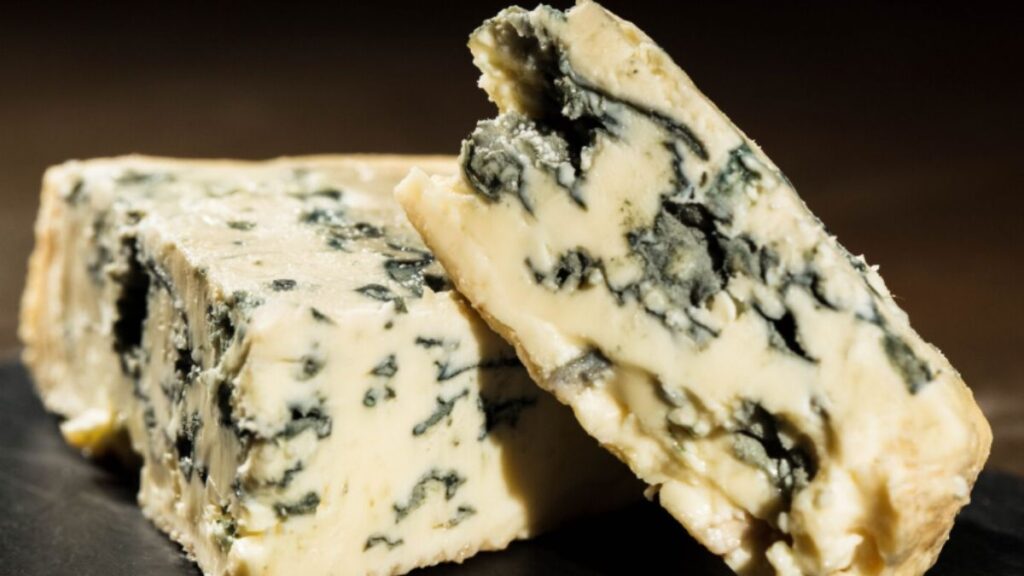
Introduction to Masgonzola
Cheese lovers, rejoice! The world of cheese is vast and full of delightful surprises. If you’ve ever found yourself confused between Masgonzola and Gorgonzola, you’re not alone. These two blue cheeses share similarities but also boast distinct characteristics that set them apart. Whether you’re a culinary enthusiast or just looking to elevate your cheese board game, understanding the nuances between these two varieties can enhance your dining experience. Let’s dive into the fascinating realm where Masgonzola meets Gorgonzola and uncover what makes each one unique!
History and Origin of Masgonzola and Gorgonzola
Masgonzola is a relatively newer addition to the world of cheeses, inspired by its older cousin, Gorgonzola. While Gorgonzola hails from Italy’s Piedmont and Lombardy regions, dating back to at least the 9th century, Masgonzola emerged as an innovative twist on this classic.
Gorgonzola has deep roots in Italian culture. It was traditionally made using cow’s milk and known for its distinct blue veins formed by Penicillium molds. The cheese gained popularity throughout Europe over centuries due to its rich flavor profile.
Masgonzola takes inspiration from Gorgonzola but introduces unique production techniques and occasionally blends different milks or flavors. This combination elevates it while still paying homage to the traditional methods that define its ancestor. As culinary creativity thrives, Masgonzola continues evolving within modern kitchens around the globe.
Flavor Profile and Texture Comparison
Masgonzola presents a delightful balance of creaminess and tang. Its flavor is milder compared to Gorgonzola, making it accessible for those new to blue cheeses. The texture is smooth yet slightly crumbly, providing an inviting mouthfeel that complements various dishes.
On the other hand, Gorgonzola packs a bolder punch. This Italian classic has sharp notes that can be both pungent and savory. Its texture ranges from creamy to crumbly, depending on its aging process. The distinct blue veining adds visual appeal while intensifying its taste.
When paired together in recipes or cheese boards, these two cheeses create an interesting contrast. Masgonzola’s subtlety balances well with Gorgonzola’s assertiveness, allowing each bite to offer something unique.
Production Process and Aging Methods
Masgonzola’s production begins with high-quality milk, typically from cows. The milk is curdled using rennet and then drained to form cheese curds.
What sets Masgonzola apart is its unique inoculation process, which incorporates specific molds that contribute to its distinct flavor and texture. These molds create a beautiful marbling within the cheese.
After shaping, the cheese undergoes a brining phase. This step enhances the flavor while also aiding in preservation.
Aging is crucial for developing Masgonzola’s character. It usually matures for about three months under controlled conditions, allowing flavors to deepen while maintaining a creamy profile.
Gorgonzola shares similar methods but can be aged longer, resulting in bolder flavors and firmer textures. Each variety reflects regional traditions and influences on their aging processes.
Culinary Uses for Masgonzola and Gorgonzola
Masgonzola and Gorgonzola each bring a unique flair to the culinary world. Masgonzola, with its creamy texture, is perfect for spreading on crusty bread or crackers. It adds richness to charcuterie boards, blending beautifully with fruits and nuts.
Gorgonzola, known for its sharper taste, shines in salads. Crumble it over mixed greens with walnuts and a tangy vinaigrette for a delightful contrast.
Both cheeses work wonders in pasta dishes; toss them into fettuccine or risotto for added depth of flavor.
For those adventurous in the kitchen, consider using Masgonzola as a base for sauces. Its meltability makes it an ideal choice for creamy risottos or gourmet mac and cheese.
Don’t forget about desserts! The sweet-salty combination of these cheeses pairs well with dark chocolate or honey drizzled over fruit platters.
Health Benefits and Nutritional Information
Masgonzola, while creamy and rich, also packs a nutritional punch. This cheese is an excellent source of calcium, essential for maintaining strong bones and teeth.
Beyond calcium, it contains protein that aids in muscle repair and growth. The presence of vitamins A and B12 supports overall health by contributing to good vision and energy levels.
Additionally, Masgonzola contains beneficial fats that can help absorb fat-soluble vitamins. However, moderation is key due to its higher sodium content.
For those looking at weight management or dietary restrictions, incorporating smaller amounts of Masgonzola into meals can provide flavor without overwhelming calories.
This delightful cheese not only enhances dishes but offers valuable nutrients too. Enjoying it mindfully allows you to savor both taste and health benefits simultaneously.
Tips for Pairing and Serving
When it comes to pairing Masgonzola, think outside the box. This creamy cheese complements sweet fruits beautifully. Pair it with figs or pears for a delightful contrast.
For a savory twist, try serving it alongside cured meats like prosciutto. The saltiness of the meat enhances Masgonzola’s rich flavor.
Wines can elevate your experience. A crisp white wine or even a fruity red works wonders with this cheese.
Don’t forget about bread! Crusty baguettes or artisan crackers serve as perfect vehicles for spreading and enjoying its unique taste.
For a special touch, incorporate Masgonzola into salads. Its tangy notes add depth to simple greens or roasted vegetables.
Experimenting is key! Find combinations that delight your palate while introducing friends and family to new flavors they may not expect from traditional pairings.
Which One Should You Choose?
Choosing between Masgonzola and Gorgonzola depends on your taste preferences and culinary needs. If you enjoy a milder, creamier profile, Masgonzola might be your best bet. Its smoothness makes it versatile for different dishes.
On the other hand, if you appreciate bold, tangy flavors with a crumbly texture, Gorgonzola could steal the show. It has distinct blue veins that bring character to cheese boards or salads.
Consider how you’ll use them in meals. Masgonzola pairs beautifully in creamy pasta sauces or as a spread on warm bread. Gorgonzola shines when crumbled over steak or pizza.
Experimenting can also lead to delightful discoveries. Try mixing both cheeses into your recipes for an unexpected twist! Your choice ultimately boils down to personal preference and the unique flavor journey you’re ready to embark on.
Common Misconceptions About Masgonzola
Many people confuse Masgonzola with Gorgonzola, thinking they are the same cheese. While both have blue veins and a rich history, their flavor profiles and production methods differ significantly.
Some believe that Masgonzola is just a milder version of Gorgonzola. This isn’t accurate; Masgonzola has its own unique taste that offers creaminess without overwhelming sharpness.
Another misconception is related to its use in cooking. Some think it’s only good for specific dishes or as a salad topping. In reality, its versatility allows it to shine in various recipes—from creamy sauces to cheeseboards.
Many assume all blue cheeses can be labeled as “blue” due to mold content. However, true Masgonzola has specific characteristics governed by Italian regulations that set it apart from other blue cheeses on the market.
Conclusion
When it comes to choosing between Masgonzola and Gorgonzola, understanding their unique qualities can enhance your culinary experience. Both cheeses boast rich histories and distinct flavors that add depth to a variety of dishes. Whether you prefer the creaminess of Masgonzola or the sharper notes of Gorgonzola, each cheese has its place in both casual meals and gourmet creations.
Exploring these two delightful options opens up new possibilities for flavor pairings, whether it’s with fruits, wines, or charcuterie boards. Their versatility ensures they can shine in numerous recipes while providing health benefits worth noting.
Your choice may come down to personal preference. Experimenting with both will undoubtedly lead to exciting discoveries in taste and texture. So go ahead—embrace the world of Masgonzola and Gorgonzola as you elevate your dining experiences.